-
Our Catamarans
-
Expertise
Guide & Tips
Astrea 42 for sale: what to know before buying
3 August 2026
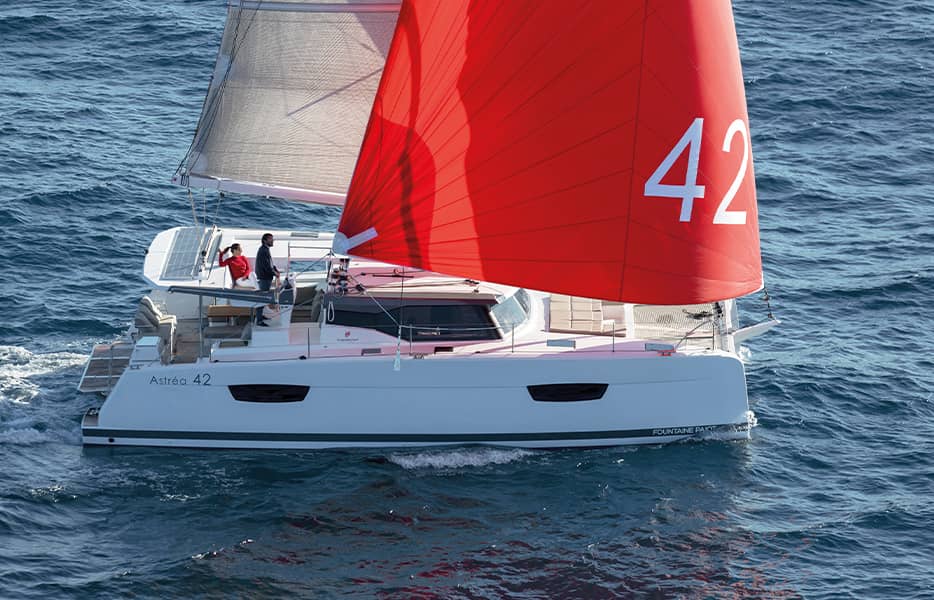
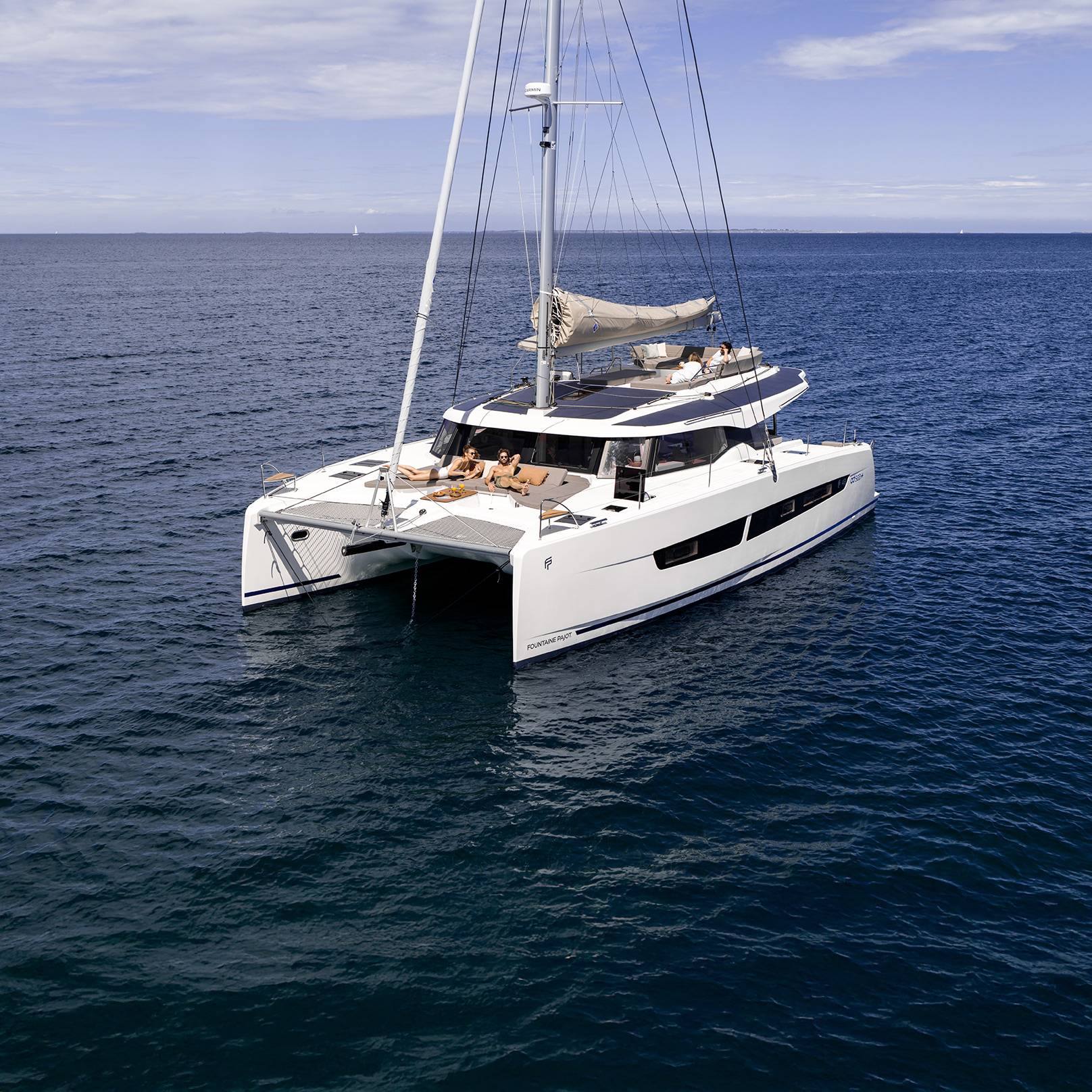
The Astrea 42 is one of the most sought-after Fountaine Pajot catamarans on the pre-owned market. Compact, versatile and built for both cruising and charter, it appeals to families looking for their first catamaran as much as to investors running a charter business. Before you commit to a listing, here are the essentials to understand about this model, so you can buy with confidence.
The Astrea 42 in numbers
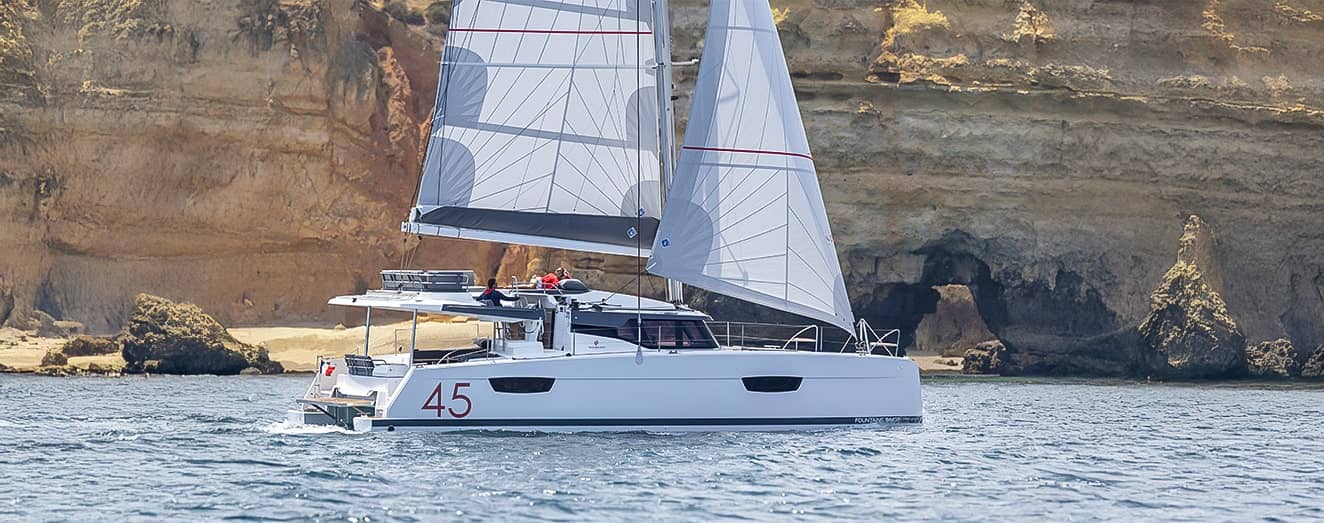
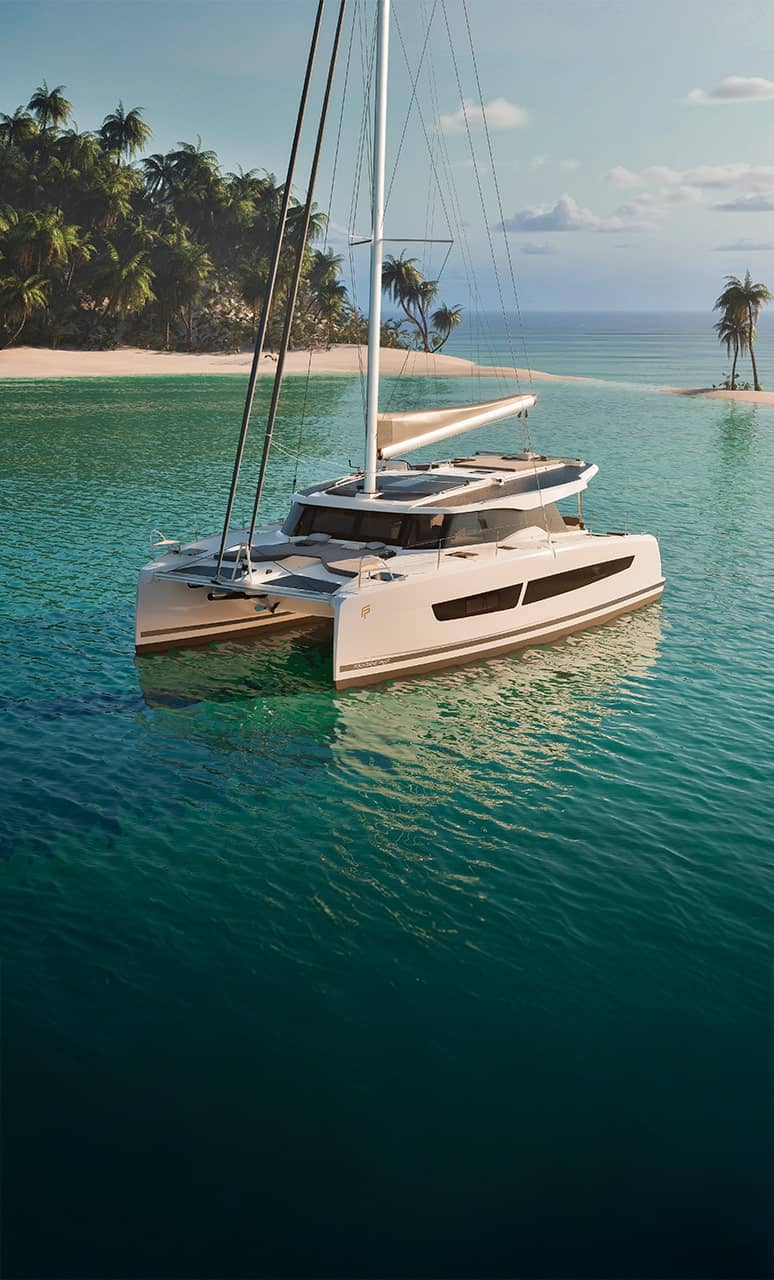
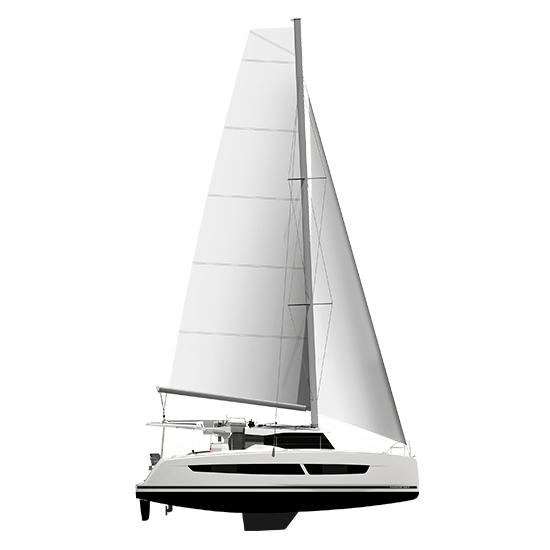
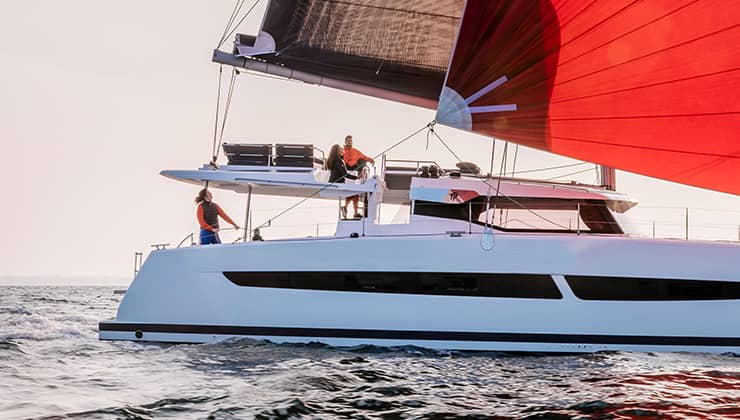
Launched to succeed some of the range’s most iconic models, the Astrea 42 measures 12.58 metres in length and carries a mainsail area of 70 m². It features the reverse bow that now defines the visual identity of Fountaine Pajot catamarans, a design choice that improves performance and course-holding. The model was also named European Yacht of the Year in the multihull category, a distinction that reflects the soundness of its design, whether you’re buying new or pre-owned.
Two interior layouts coexist on the market: a 3-cabin version and a 4-cabin version, each suited to a different use case.
Maestro or Quatuor: which version fits your plans
On the pre-owned market, you’ll mainly come across two configurations.
The Maestro version, sometimes searched as “Astrea 42 owner’s version,” dedicates the entire port hull to the owner’s cabin, complete with its own en-suite bathroom and dedicated space. It’s the natural choice for a couple or family who cruise at their own pace and prioritize everyday comfort over maximum guest capacity.
The Quatuor version, with its 4 double cabins, is more geared toward seasonal charter or rental projects, as well as larger crews. It maximizes the number of berths and bathrooms, at the cost of a somewhat more compact owner’s space.
The choice between the two therefore comes down less to budget than to purpose: personal cruising versus generating income through charter.
What to check on a pre-owned Astrea 42
As with any catamaran of this generation, a few points deserve close attention before buying:
Engine: Volvo Penta remains the most common powerplant on Astrea 42s currently in circulation. Check engine hours, service history, and the condition of the saildrives.
Rigging: sails, halyards, sheets, and running rigging wear down with the miles; their condition directly affects the budget you’ll need after purchase.
Electronics and watermaker: autopilot, navigation instruments and, where fitted, the desalination unit are costly items to replace and should be tested under real conditions.
Maintenance history: logbooks, boatyard invoices and recent surveys let you reconstruct the boat’s real history, well beyond what the listing photos show.
An independent professional survey remains the best safeguard before committing, whichever sales channel you use.
What budget should you expect for a pre-owned Astrea 42?
The price of a pre-owned Astrea 42 varies significantly depending on the year built, the version (Maestro or Quatuor), engine hours, rigging condition, and equipment level (watermaker, autopilot, solar panels, Smart Electric version). Two boats from the same model year can show a significant price gap depending on their maintenance and options. Rather than looking for a single reference figure, it’s better to compare several listings with equivalent equipment, or rely on an independent survey to establish the real value of a specific boat.
Why choose a Nextsail-certified Astrea 42 over a standard listing
With a standard listing, the buyer has to carry out all these checks alone, without always having access to the boat’s full history or to someone able to answer technical questions. A Nextsail-certified Astrea 42 has gone through an inspection process overseen by the Fountaine Pajot network: overall condition, equipment, compliance and history are all checked in advance, with dealer support throughout the buying process. You gain visibility into the boat’s real condition, and peace of mind on after-sales support.